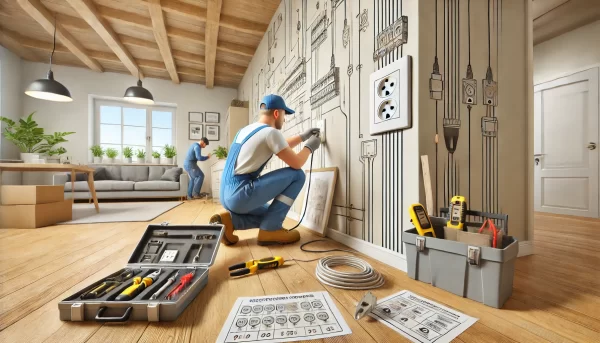
Electricity powers nearly every aspect of modern life, but like any system, it requires attention and care. Electrical repairs address existing problems, while regular maintenance prevents future hazards and ensures efficiency. Neglecting either can lead to costly damages, safety risks, or disruptions in your daily life.
In this article, we’ll explore the importance of electrical repairs and maintenance, common signs that repairs are needed, the value of professional services, and how to keep your system in top condition. Whether you’re a homeowner or a tenant, maintaining your electrical system is key to safety and functionality.
Signs Your Electrical System Needs Repair
Recognizing the signs of electrical problems early can prevent more serious issues. Faulty systems can lead to outages, fires, or even injuries. Being proactive is essential.
Flickering Lights and Power Outages
Frequent flickering lights or unexpected power outages are not just annoyances—they may signal deeper issues like faulty wiring or overloaded circuits. These symptoms indicate that immediate electrical repair may be needed. Ignoring them could lead to more severe problems, such as electrical fires or system failures.
Burning Smells or Scorch Marks
The smell of burning plastic or visible scorch marks around outlets or switches are critical warning signs. These often stem from overheating or damaged wiring and require immediate attention from a licensed electrician.
DIY vs. Professional Repairs
When electrical issues arise, many people wonder whether they should tackle the problem themselves or call in a professional. Both options have their pros and cons, but safety should always come first.
When DIY Is Appropriate
Simple tasks like replacing light bulbs, testing circuit breakers, or using surge protectors can often be managed without professional help. However, even minor errors can escalate into significant safety risks, so always proceed with caution.
Why Professional Repairs Are Safer
For complex or potentially hazardous tasks, hiring a licensed electrician is the safest choice. Whether it’s replacing damaged outlets, upgrading circuits, or rewiring sections of your home, professionals have the expertise and tools to perform repairs safely and efficiently. Learn more about DIY vs. professional electrical repair to make an informed decision.
Troubleshooting Common Electrical Issues
Electrical issues can be frustrating, but troubleshooting can often help identify the root cause. Understanding the basics can save time and prevent further damage.
Circuit Breaker Trips
If your circuit breaker frequently trips, it could indicate an overloaded circuit or a faulty appliance. Resetting the breaker may solve the problem temporarily, but recurring issues require professional attention.
Dead Outlets
Dead outlets can result from loose wiring, tripped breakers, or damaged circuits. Testing the outlet with multiple devices can help determine whether the issue lies in the outlet itself or elsewhere. For a detailed guide, refer to this troubleshooting checklist for common electrical problems.
Benefits of Regular Electrical Maintenance
Preventative maintenance is crucial for avoiding unexpected repairs and keeping your electrical system safe and efficient. It involves inspecting, testing, and replacing components before they fail.
Enhancing Safety
Regular inspections by a licensed electrician can identify hidden dangers such as outdated wiring, exposed connections, or overloaded circuits. This reduces the risk of electrical fires and injuries.
Boosting Efficiency
Maintenance ensures that your electrical system operates optimally. Faulty wiring or outdated components can increase energy consumption and drive up costs. A comprehensive electrical maintenance checklist helps streamline this process, covering all critical aspects.
Upgrading Old Electrical Systems
Homes with outdated electrical systems are at a higher risk of malfunctions and safety issues. If your home is over 20 years old, it might be time for an upgrade.
Benefits of Upgraded Wiring
Upgrading old wiring enhances safety, improves energy efficiency, and ensures your home can handle modern power demands. This is especially important if you’ve added new appliances or electronics. Explore more about upgrading old wiring to learn how it can transform your home’s electrical safety.
Compliance with Current Standards
Older homes often don’t meet current safety regulations. An upgrade ensures compliance, protecting your home and increasing its resale value. Additionally, modern systems are equipped with features like circuit breakers and RCDs, enhancing both safety and functionality.
Closing Thoughts on Electrical Repairs and Maintenance
Electrical repairs and maintenance are vital for the safety and efficiency of your home. From identifying signs of trouble to performing regular upkeep, staying proactive prevents hazards and ensures your system operates smoothly.
If you’ve noticed signs of wear or need professional advice, reach out to a licensed electrician. Take the next step by scheduling a maintenance check or addressing repairs promptly. Prioritizing electrical health is not just an investment in your home but also in the safety and well-being of everyone who lives there.
