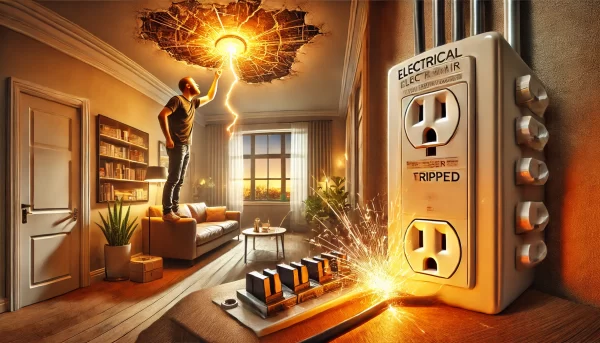
Your home’s electrical system is vital to powering daily life, but like any system, it’s prone to wear and tear. Electrical issues can be minor annoyances or serious safety hazards, often giving warning signs that repairs are needed. Ignoring these signs could lead to costly damage, reduced efficiency, or even dangerous conditions like electrical fires.
In this article, we’ll explore the most common signs your home needs electrical repair, why addressing these issues promptly is essential, and when to call a professional. You can keep your home’s electrical system safe and reliable with proper attention.
Flickering or Dimming Lights
Flickering or dimming lights are often one of the first signs of electrical issues. While minor fluctuations may cause occasional flickers, persistent problems signal underlying concerns.
Possible Causes
Flickering lights may occur due to loose wiring, an overloaded circuit, or a faulty connection. Dimming lights, particularly when using high-energy appliances, often indicate that your electrical system is struggling to meet demand. Both require immediate attention to prevent further damage or safety risks.
What to Do
Start by testing other lights or outlets on the same circuit to confirm the issue. If the problem persists, it’s time to consult a professional electrician. For detailed guidance, check out this troubleshooting guide for common electrical issues.
Frequent Circuit Breaker Trips
Circuit breakers are designed to protect your home from power surges and overloads. However, frequent tripping is a clear sign that your system may need repair or upgrades.
Why Breakers Trip
Breakers often trip due to overloaded circuits, faulty appliances, or wiring issues. While resetting the breaker can restore power temporarily, repeated tripping indicates a deeper problem.
When to Upgrade
If your home frequently experiences tripped breakers, consider upgrading your electrical system. Modern systems are better equipped to handle today’s energy demands. Learn more about upgrading old wiring and how it can enhance safety and efficiency.
Burning Smells or Discolored Outlets
A burning smell or scorch marks around outlets and switches is a serious warning sign. These symptoms often result from overheating, damaged wiring, or loose connections.
The Dangers of Overheating
Overheating can melt insulation, expose wires, and increase the risk of electrical fires. If you notice these signs, stop using the affected outlets immediately and contact an electrician.
How to Prevent Future Issues
Scheduling regular maintenance can help catch overheating problems early. Use a comprehensive electrical maintenance checklist to ensure every component of your system is functioning properly.
Buzzing Sounds from Outlets or Switches
Electricity should flow silently. Buzzing or humming noises from outlets, switches, or your breaker panel indicate potential issues.
Common Causes
Buzzing sounds can result from loose connections, arcing, or overloaded circuits. Left unresolved, these problems can lead to electrical shocks or fires.
Professional Repairs
Handling these issues on your own is risky. Always rely on a licensed electrician for repairs involving buzzing or humming. For more insight, explore the pros and cons of DIY vs. professional electrical repair.
Outdated or Overloaded Systems
Older electrical systems may struggle to handle the demands of modern appliances and electronics. Over time, this leads to inefficiency, frequent outages, and increased risks.
Signs of an Outdated System
Homes built decades ago often lack features like circuit breakers or proper grounding. If you experience frequent power surges, dead outlets, or overheating, your system might be overdue for an upgrade.
The Solution
Upgrading your electrical system not only ensures compliance with modern safety standards but also boosts efficiency. This is especially important if you’re planning renovations or adding high-energy appliances. Consider upgrading old wiring to meet today’s energy demands.
Electrical Shocks or Sparks
Experiencing shocks when plugging in devices or noticing sparks from outlets are clear indicators of a problem.
Understanding the Risks
These issues often point to damaged wiring or loose connections. Both are serious safety hazards that require immediate attention.
Preventative Measures
To reduce the likelihood of shocks or sparks, avoid overloading outlets, and ensure appliances are in good working condition. Schedule regular maintenance checks to address underlying issues before they escalate.
Closing Thoughts on Electrical Repairs
Your home’s electrical system is the backbone of modern living, and addressing issues promptly ensures safety and reliability. Whether you’re dealing with flickering lights, frequent breaker trips, or outdated wiring, recognizing the signs early can prevent costly damage and serious hazards.
Stay proactive by conducting regular maintenance and seeking professional help for complex issues. If you notice any of these warning signs, don’t delay. Contact a licensed electrician to address the problem and ensure your home remains safe and functional. Prioritizing electrical repairs is an investment in your family’s well-being and peace of mind.
