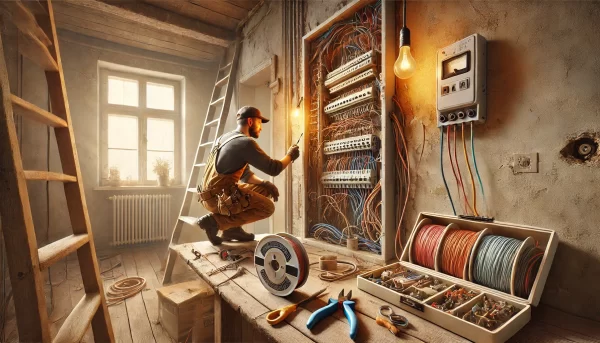
Old electrical wiring may seem functional, but it often hides underlying risks that could compromise your home’s safety and efficiency. As homes age, so do their electrical systems, and what once met the needs of a few basic appliances may no longer support modern energy demands. Failing to upgrade outdated wiring can result in frequent power interruptions, safety hazards, and even increased energy costs.
This article will help you recognize when it’s time to upgrade your electrical wiring, why it’s essential, and how modern wiring can enhance your home’s safety and functionality.
Signs Your Electrical Wiring Needs an Upgrade
Old wiring doesn’t always show visible signs of wear, but certain indicators suggest it may be time for an upgrade.
Frequent Circuit Breaker Trips
If your circuit breakers trip regularly, it may be a sign your wiring cannot handle your home’s electrical load. This is particularly common in older systems where circuits were not designed to support multiple high-energy appliances.
Burning Smells or Scorch Marks
The smell of burning or visible scorch marks around outlets and switches are clear signs of overheating. These often occur when outdated wiring cannot handle the electrical current, increasing the risk of fires.
Flickering or Dimming Lights
Lights that flicker or dim when using other appliances indicate your electrical system is struggling to distribute power. This is a strong indicator of worn or insufficient wiring.
Limited or No Grounding
Older homes often lack proper grounding, making them more vulnerable to electrical shocks or surges. If your home’s outlets have two prongs instead of three, it’s time to consider an upgrade.
Why Upgrading Old Wiring Is Essential
Upgrading your wiring isn’t just about meeting modern standards—it’s about ensuring safety, efficiency, and compliance.
Enhanced Safety
Old wiring, especially knob-and-tube or aluminium wiring, poses significant fire and shock hazards. Replacing these outdated systems with modern materials greatly reduces risks.
Improved Efficiency
Modern wiring systems distribute electricity more efficiently, reducing power losses and energy bills. This is particularly important as homes integrate more energy-demanding appliances and devices.
Compliance with Current Standards
Building codes have evolved to include stricter safety regulations. Upgrading your wiring ensures compliance, which is essential for insurance purposes and resale value. To ensure your home meets these standards, seek professional assistance from licensed electricians like those at Blacktown Electrical.
Benefits of Modern Electrical Wiring
Beyond addressing safety concerns, upgrading your wiring provides several practical advantages.
Increased Power Capacity
Modern systems can handle higher power demands, reducing the likelihood of overloads or outages. This is crucial if you’re adding high-energy appliances like air conditioners, ovens, or electric vehicles.
Better Energy Efficiency
Updated wiring reduces energy waste caused by resistance or poor connections. Over time, this translates to lower utility bills and a reduced carbon footprint.
Smart Home Compatibility
If you’re considering integrating smart devices, modern wiring ensures they function seamlessly. Smart lighting, thermostats, and security systems rely on stable and efficient power distribution.
When to Seek Professional Help
While some signs of outdated wiring are obvious, others may require an expert inspection to uncover hidden risks. Licensed electricians can assess your system’s condition, identify potential hazards, and recommend the best solutions. For a comprehensive assessment or upgrade, contact Blacktown Electrical to ensure the work meets safety and quality standards.
Steps to Upgrade Your Electrical Wiring
Upgrading wiring is a complex process that should always be handled by professionals. Here’s what to expect during the process:
- Initial Inspection: An electrician will evaluate your current wiring and identify areas needing replacement.
- Planning and Permits: A detailed plan is created, and necessary permits are obtained to ensure compliance with local regulations.
- Wiring Replacement: Old wires are removed and replaced with modern materials, ensuring proper connections and grounding.
- System Testing: Once installed, the new system is thoroughly tested for safety and functionality.
Closing Thoughts on Upgrading Electrical Wiring
Old electrical wiring may meet basic needs, but it’s unlikely to provide the safety, efficiency, or capacity required for today’s homes. Recognizing the signs of outdated wiring and upgrading proactively can prevent costly repairs and ensure your family’s safety.
If your home shows signs of electrical issues or hasn’t had an upgrade in decades, it’s time to consult a professional. Reach out to Blacktown Electrical for expert guidance and services. Upgrading your wiring is an investment in safety, efficiency, and peace of mind.
