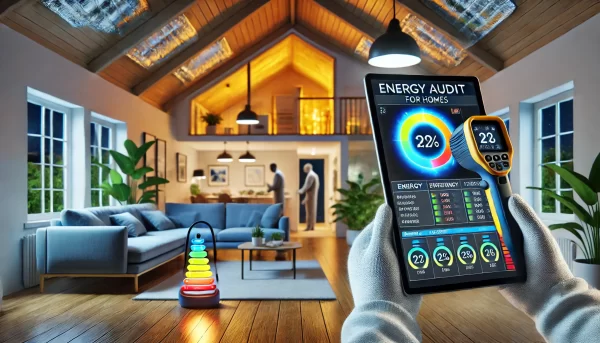
An energy audit is a powerful tool for homeowners and businesses looking to improve energy efficiency, reduce utility costs, and contribute to a more sustainable environment. These audits involve a comprehensive assessment of a building’s energy use, identifying inefficiencies and providing actionable recommendations to optimize consumption. Whether you’re aiming to save money, reduce your carbon footprint, or comply with energy regulations, an energy audit is a critical first step.
This article explores what energy audits entail, their key benefits, and how they can drive long-term savings and sustainability.
What Is an Energy Audit?
An energy audit is a thorough examination of how energy is used, wasted, and managed within a building. Conducted by professionals, it evaluates factors such as insulation, heating and cooling systems, appliances, and lighting. The goal is to uncover inefficiencies and suggest practical solutions to improve energy performance.
There are two primary types of energy audits:
- Walk-Through Audits: These are preliminary assessments that identify obvious energy waste areas. While not as detailed, they provide valuable insights for quick fixes.
- Comprehensive Audits: These involve in-depth analysis, including the use of advanced tools like infrared cameras and blower door tests to pinpoint energy leaks.
Energy audits not only address current inefficiencies but also help in planning future upgrades, such as integrating renewable energy systems or transitioning to energy-efficient appliances.
The Importance of Energy Audits
Identifying Inefficiencies
Energy audits provide a clear picture of where energy is being wasted, whether through poorly insulated walls, outdated appliances, or inefficient heating and cooling systems. By understanding these issues, you can target specific areas for improvement and achieve significant energy savings.
Reducing Utility Bills
One of the most immediate benefits of an energy audit is lower energy costs. Addressing inefficiencies—such as sealing leaks or upgrading to energy-efficient systems—reduces energy consumption, directly cutting down utility bills.
Environmental Impact
Energy waste contributes to greenhouse gas emissions and depletes natural resources. By optimizing energy use, audits play a vital role in promoting sustainability and reducing your carbon footprint.
What to Expect During an Energy Audit
A professional energy audit involves several key steps designed to analyze and optimize your building’s energy performance.
Initial Consultation
The auditor begins by discussing your energy concerns and reviewing past utility bills. This provides a baseline for understanding your energy use patterns and identifying potential inefficiencies.
Building Inspection
The auditor conducts a detailed examination of your home or building, assessing factors like:
- Insulation and sealing
- Window and door efficiency
- Heating, ventilation, and air conditioning (HVAC) systems
- Lighting and appliances
Tools such as infrared cameras may be used to detect heat loss, while blower door tests help identify air leaks.
Recommendations and Reporting
Following the inspection, the auditor provides a comprehensive report outlining findings and recommendations. These may include steps such as:
- Sealing air leaks and improving insulation
- Replacing inefficient appliances
- Upgrading HVAC systems
- Switching to energy-efficient lighting
The report typically includes cost estimates and potential savings for each recommended improvement, helping you prioritize actions based on your budget and goals.
The Financial Benefits of Energy Audits
Lowering Long-Term Costs
While there may be an upfront cost for an energy audit, the long-term savings far outweigh this initial investment. Addressing inefficiencies not only reduces utility bills but also increases the lifespan of your heating, cooling, and lighting systems by minimizing strain.
Leveraging Energy Efficiency Incentives
In many regions, governments and organizations offer financial incentives to encourage energy-saving upgrades. These energy efficiency incentives may include rebates, tax credits, or grants for improvements like upgrading insulation, installing solar panels, or purchasing energy-efficient appliances. By coupling audit recommendations with available incentives, you can significantly reduce the cost of energy-efficient upgrades.
How Energy Audits Support Sustainability
Reducing Carbon Footprint
Energy-efficient homes and businesses consume less electricity and rely less on fossil fuels, leading to lower greenhouse gas emissions. Energy audits identify areas where these efficiencies can be maximized, allowing you to contribute to a greener future.
Promoting Renewable Energy Integration
Energy audits also highlight the potential for integrating renewable energy sources, such as solar panels or wind turbines. By providing insights into your building’s energy needs and infrastructure, audits help you make informed decisions about transitioning to renewable energy systems.
Energy Audits for Businesses vs. Homeowners
For Businesses
For businesses, energy audits offer the opportunity to reduce operational costs, comply with regulations, and enhance corporate sustainability initiatives. Commercial energy audits often delve deeper into systems like industrial machinery, refrigeration, and large-scale HVAC units, ensuring energy efficiency across all aspects of operations.
For Homeowners
Residential energy audits focus on improving the comfort and efficiency of living spaces. From identifying drafty windows to recommending efficient water heaters, these audits help homeowners save money while creating a more sustainable home environment.
Steps to Take After an Energy Audit
Implementing Recommendations
After receiving your energy audit report, prioritize the suggested improvements based on their cost and potential savings. Start with high-impact changes, such as sealing leaks or upgrading major appliances, and gradually work toward larger projects like solar panel installation.
Monitoring Energy Use
Once upgrades are in place, monitor your energy use to track progress. Many modern appliances and smart home systems come with monitoring tools that provide real-time data on consumption, helping you maintain efficiency over time.
Scheduling Follow-Up Audits
Energy needs evolve over time, so it’s a good idea to schedule follow-up audits every few years or after significant changes, such as home renovations or the addition of new systems. Regular audits ensure your home or business continues to operate efficiently.
Conclusion
Energy audits are a critical step toward achieving energy efficiency and sustainability. By identifying inefficiencies, reducing utility costs, and enabling access to energy efficiency incentives, these audits provide a roadmap for meaningful improvements. Whether you’re a homeowner looking to cut energy bills or a business aiming to enhance operational efficiency, an energy audit is an investment that delivers both financial and environmental benefits.
Take the first step today by scheduling an energy audit and exploring how it can transform your energy consumption habits. With expert guidance and actionable recommendations, you’ll be on your way to a more efficient, sustainable future.
