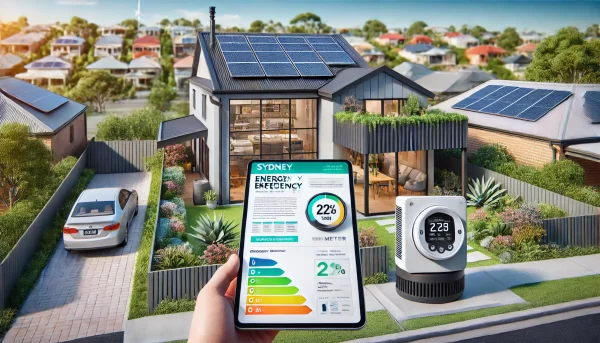
Energy efficiency has become a priority for homeowners in Sydney as rising energy costs and environmental concerns drive the adoption of sustainable practices. To support this transition, the government and other organizations offer incentives designed to reduce the financial burden of energy-efficient upgrades. These incentives, ranging from rebates and grants to tax credits, make it easier for homeowners to embrace energy-efficient technologies while lowering utility bills and reducing carbon footprints.
This article explores the various incentives available for Sydney homes, the types of upgrades that qualify, and the long-term benefits of adopting energy-efficient solutions.
Why Energy Efficiency Matters for Sydney Homes
Energy efficiency is more than just a cost-saving measure; it is essential for creating sustainable communities and reducing environmental impact. Sydney homeowners face challenges such as high energy prices and a growing demand for power due to modern lifestyles. Energy-efficient upgrades address these challenges by reducing energy consumption while improving home comfort.
For instance, efficient appliances, better insulation, and renewable energy systems like solar panels can significantly cut down on energy use. These measures not only benefit individual homeowners but also contribute to broader sustainability goals, including reducing greenhouse gas emissions.
Types of Incentives Available for Energy Efficiency
Several programs are designed to encourage Sydney homeowners to invest in energy-efficient technologies. These include rebates, tax credits, and grants that help offset the costs of installation and upgrades.
Rebates for Appliances and Insulation
Rebates are among the most common incentives available to homeowners. These programs provide partial refunds for purchasing and installing energy-efficient appliances, such as refrigerators, air conditioners, and washing machines. Additionally, rebates are often available for improving home insulation, which enhances energy efficiency by reducing heat loss in winter and keeping homes cooler in summer.
Tax Credits for Renewable Energy Systems
Tax credits are another popular incentive, particularly for homeowners who install renewable energy systems like solar panels. These credits allow homeowners to deduct a portion of their installation costs from their taxes, making the initial investment more affordable. In Sydney, solar power remains one of the most impactful upgrades, as it not only reduces reliance on the grid but also qualifies for significant tax incentives.
Grants for Comprehensive Energy Upgrades
For larger-scale projects, grants can provide financial assistance to cover substantial portions of the cost. These are particularly beneficial for homeowners undertaking multiple upgrades, such as combining insulation improvements with solar panel installation or replacing outdated HVAC systems with energy-efficient alternatives. Many grant programs are tailored to meet the specific needs of Sydney’s climate and housing stock, ensuring maximum impact.
Reduced Interest Loans for Energy Efficiency Projects
In addition to direct financial incentives, some programs offer reduced-interest loans to make energy-efficient upgrades more accessible. These loans are specifically designed for homeowners who want to invest in high-cost improvements like solar power systems, double-glazed windows, or whole-house insulation. By lowering borrowing costs, these loans make it easier for households to transition to sustainable living.
Eligibility for Energy Efficiency Incentives
While these programs offer significant benefits, homeowners must meet certain eligibility criteria to qualify for incentives. These criteria typically include:
- Location: Incentives may vary by region. Programs in Sydney are often tailored to address the unique energy challenges of urban and suburban homes.
- Type of Upgrade: Only specific upgrades, such as energy-efficient appliances or renewable energy systems, may qualify.
- Homeownership Status: Some incentives are exclusively available to owner-occupiers, while others may include landlords making improvements to rental properties.
Homeowners are encouraged to consult local resources, such as government websites or professional energy consultants, to determine their eligibility and navigate the application process.
Steps to Take Advantage of Energy Efficiency Incentives
Securing incentives for energy efficiency upgrades involves several key steps, which can ensure you maximize the benefits available to you.
Conduct an Energy Audit
Before embarking on any upgrades, consider scheduling a professional energy audit. An audit provides a comprehensive evaluation of your home’s energy use and identifies areas where improvements can make the most significant impact. By understanding your home’s specific needs, you can prioritize upgrades that qualify for incentives while optimizing overall energy efficiency.
Energy audits are not only helpful for identifying inefficiencies but also for creating a detailed plan that aligns with incentive programs. For more information on energy efficiency solutions, explore comprehensive resources such as energy efficiency and sustainability services.
Research Available Programs
Once you have a clear understanding of your energy needs, research the various programs available in Sydney. This includes rebates for appliances, grants for insulation, and tax credits for renewable energy installations. Many government websites provide up-to-date information on available incentives, including eligibility criteria and application deadlines.
Apply for Incentives
After identifying the programs that suit your planned upgrades, gather the necessary documentation and submit your applications. This typically includes proof of purchase or installation, receipts, and any additional forms required by the specific program.
Working with a professional installer or contractor familiar with energy efficiency programs can streamline this process. Many professionals are well-versed in navigating rebate and grant applications, ensuring you don’t miss out on potential savings.
Monitor Results
Once your upgrades are complete, track your home’s energy use to measure the impact of the improvements. Modern energy-efficient appliances often include monitoring tools that allow you to evaluate their performance. Similarly, renewable energy systems like solar panels often come with apps or interfaces that display energy production and savings in real-time.
Long-Term Benefits of Energy Efficiency Incentives
Lower Utility Bills
The most immediate benefit of energy-efficient upgrades is a reduction in utility bills. Whether through better insulation, energy-efficient appliances, or solar power, these measures significantly decrease energy consumption, leading to substantial cost savings over time.
Increased Property Value
Homes with energy-efficient upgrades, such as solar panels or advanced HVAC systems, often command higher resale values. Potential buyers are increasingly seeking properties with sustainable features, recognizing the long-term savings and environmental benefits they provide.
Reduced Environmental Impact
Energy-efficient upgrades contribute to a smaller carbon footprint by reducing reliance on fossil fuels and decreasing greenhouse gas emissions. This aligns with global efforts to combat climate change and creates a more sustainable future for Sydney communities.
Enhanced Comfort and Livability
Beyond financial and environmental benefits, energy-efficient homes offer improved comfort. Proper insulation maintains a consistent indoor temperature, while modern appliances operate more quietly and efficiently, enhancing the overall living experience.
Overcoming Barriers to Energy Efficiency
Despite the clear benefits, some homeowners may hesitate to invest in energy-efficient upgrades due to upfront costs or lack of awareness about available incentives. Education and access to financial assistance play a crucial role in overcoming these barriers. By taking advantage of rebates, grants, and tax credits, homeowners can mitigate initial expenses and focus on the long-term benefits of energy efficiency.
Conclusion
Incentives for energy efficiency in Sydney homes make it easier than ever for homeowners to adopt sustainable practices. From rebates and grants to tax credits and reduced-interest loans, these programs provide valuable support for upgrades that reduce energy consumption, lower utility bills, and enhance property value. By conducting energy audits, researching available programs, and implementing targeted upgrades, Sydney homeowners can create energy-efficient homes that benefit both their families and the environment.
Take the first step today by exploring the programs and resources available to you. With the right strategy, you can enjoy the financial and environmental rewards of energy-efficient living.
