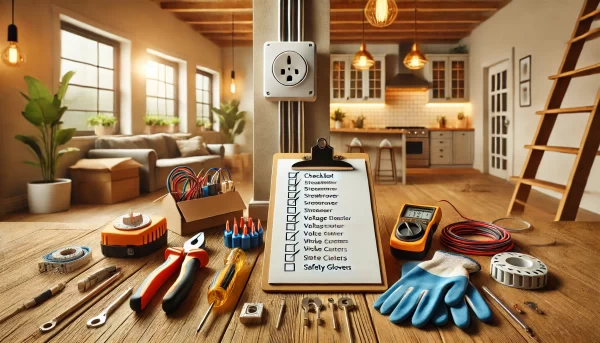
Your home’s electrical system is the backbone of modern living, powering appliances, lighting, and essential devices. Regular maintenance ensures its safety, reliability, and efficiency. Neglecting electrical upkeep can lead to increased energy bills, equipment malfunctions, or dangerous hazards like fires. Having a systematic maintenance routine helps identify potential problems early, saving you time and money in the long run.
This article provides a comprehensive electrical maintenance checklist to help homeowners keep their systems safe and efficient. Whether you’re troubleshooting minor issues or considering upgrades, this guide covers it all.
Benefits of Regular Electrical Maintenance
Routine electrical maintenance is more than just a preventive measure; it enhances the functionality and safety of your home.
Safety Assurance
Electrical faults are a leading cause of home fires. Regular inspections and maintenance minimize risks by identifying hazards such as frayed wires, overloaded circuits, and faulty outlets.
Cost Efficiency
Addressing issues early can prevent expensive repairs later. Maintenance also ensures that your electrical system operates efficiently, reducing energy wastage and lowering utility bills.
Prolonging System Life
Regular care extends the life of your electrical system and appliances, ensuring they perform reliably for years. It also helps avoid unnecessary wear and tear caused by undetected issues.
Electrical Maintenance Checklist for Homeowners
A well-structured maintenance checklist ensures no aspect of your electrical system is overlooked. Below are key areas to focus on during your routine checks.
Inspect Outlets and Switches
- Look for Signs of Damage: Cracks, discoloration, or scorch marks on outlets and switches can indicate overheating or wiring problems.
- Test Functionality: Ensure outlets and switches work properly. If you notice sparking, buzzing, or inconsistent performance, these are signs of underlying issues.
For persistent problems, consult a professional to troubleshoot the cause. Use this troubleshooting guide for common issues to identify and address minor concerns safely.
Check Cords and Wires
- Examine for Fraying or Exposed Wires: Damaged cords can pose a significant safety risk, especially when handling high-energy appliances.
- Avoid Running Cords Under Carpets: This can cause overheating and lead to fires. Ensure cords are positioned safely away from high-traffic areas.
Replace any cords or wires showing signs of wear immediately to prevent accidents.
Test Your Circuit Breaker
- Reset Breakers Regularly: Tripping breakers should be reset and tested to ensure they’re functioning correctly.
- Monitor Frequent Tripping: Frequent trips may indicate overloaded circuits or wiring issues requiring professional attention.
Assess Light Fixtures and Bulbs
- Check for Overheating: Ensure light fixtures are not overheating, as this can damage the wiring or create fire risks.
- Use the Correct Wattage: Overloading fixtures with high-wattage bulbs can strain your system. Always match bulb wattage to the fixture’s recommendation.
Inspect the Electrical Panel
- Ensure Proper Labeling: Circuit breakers should be clearly labeled to make troubleshooting easier.
- Look for Signs of Corrosion or Overheating: These indicate the need for immediate professional inspection.
Test Smoke Alarms and RCDs
- Smoke Alarms: Test your smoke alarms monthly and replace batteries annually.
- Residual Current Devices (RCDs): Test RCDs by pressing the test button to ensure they shut off power as designed. Faulty RCDs should be replaced promptly.
When to Consider Upgrading Your Electrical System
Older homes often have outdated wiring that cannot handle modern energy demands, increasing the risk of system failures or safety hazards.
Signs You Need an Upgrade
- Frequent Breaker Trips: Indicates that your system is overloaded.
- Flickering Lights: Often caused by aging or insufficient wiring.
- Limited Outlets: A reliance on extension cords suggests your system lacks the capacity to meet your needs.
Upgrading your wiring ensures compliance with modern safety standards and enhances your system’s efficiency. For more information on making the switch, explore upgrading old wiring to understand the benefits of a modern electrical system.
Maintenance Tips for Homeowners
While DIY maintenance can address basic tasks, some aspects require professional expertise to ensure safety and compliance.
What Homeowners Can Do
- Visual Inspections: Regularly inspect outlets, cords, and switches for visible damage.
- Simple Repairs: Replace light bulbs or reset tripped breakers as needed.
- Organize Cords: Avoid tangled or overcrowded cords to minimize risks.
Tasks for Professionals
- System Inspections: Licensed electricians can identify and address hidden risks, such as loose connections or aging components.
- Wiring Upgrades: Modernizing your system requires professional tools and knowledge.
- Comprehensive Testing: Electricians can test for load capacity, grounding, and circuit integrity to ensure optimal performance.
Closing Thoughts on Electrical Maintenance
Regular electrical maintenance is essential for creating a safe, efficient, and reliable home environment. By following this checklist and addressing small issues promptly, you can avoid costly repairs, enhance energy efficiency, and keep your family safe.
For persistent problems or upgrades, always consult a licensed electrician. Staying proactive with maintenance protects your home and ensures your electrical system operates at its best for years to come. Make safety and efficiency a priority in your household’s maintenance routine today.
