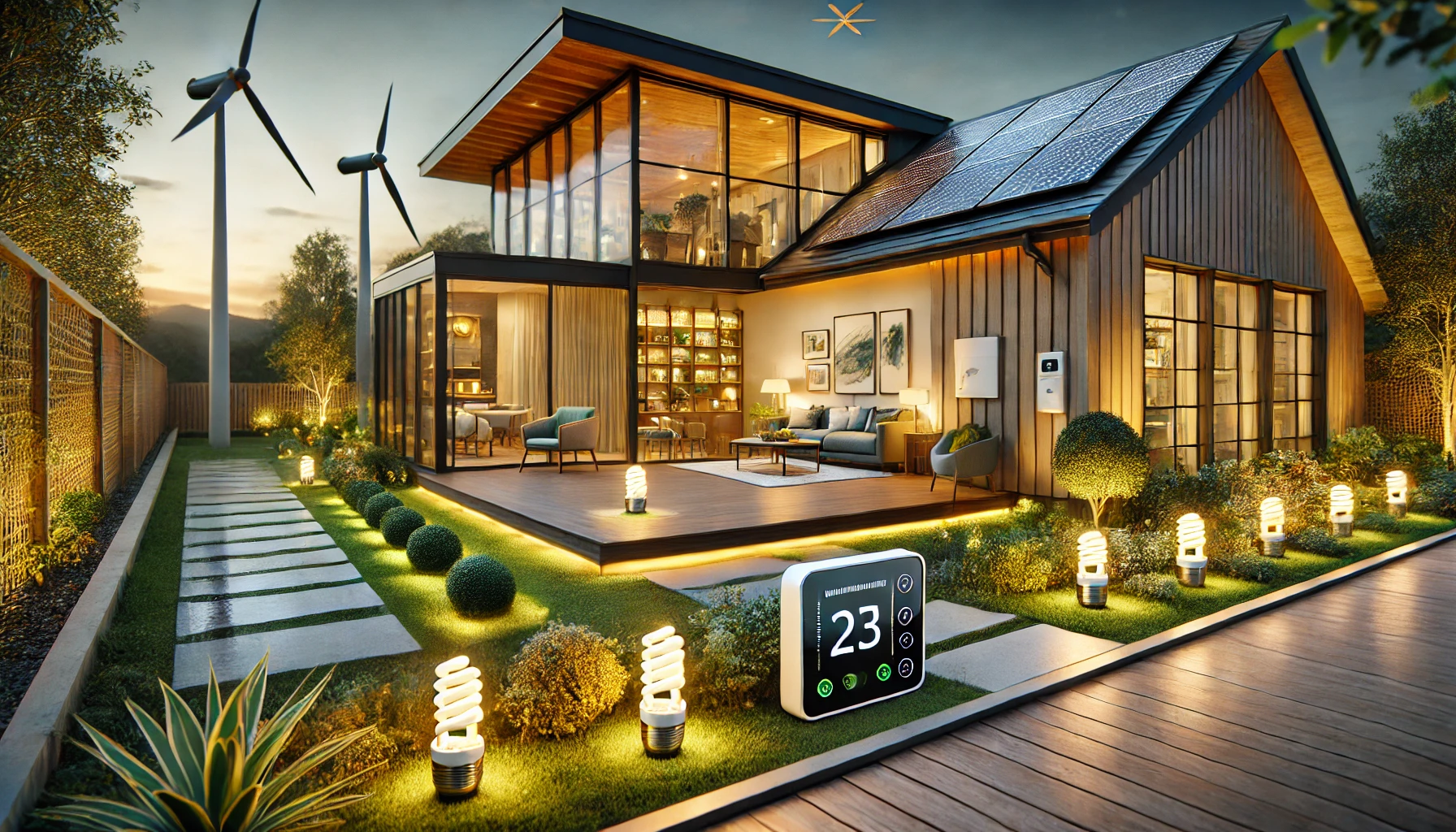
Energy efficiency and sustainability are at the forefront of modern living as individuals and businesses strive to reduce their environmental impact and cut costs. Adopting energy-efficient practices not only benefits the environment but also contributes to significant savings on utility bills. With advancements in technology and a growing awareness of sustainable practices, achieving energy efficiency is now more accessible than ever.
This article explores the key aspects of energy efficiency and sustainability, offering insights into practical steps you can take to make your home or business more energy-efficient while contributing to a greener future.
The Importance of Energy Efficiency and Sustainability
Energy efficiency and sustainability go hand in hand to address two major challenges: reducing greenhouse gas emissions and conserving natural resources. Efficient energy use ensures that the energy produced is utilized effectively, minimizing waste and lowering carbon footprints. Sustainability extends this concept by focusing on long-term practices that preserve the environment for future generations.
Implementing sustainable energy solutions benefits individuals, communities, and businesses. It creates a win-win scenario by reducing utility costs while helping to combat climate change. From using renewable energy sources to adopting energy-efficient appliances, every effort contributes to a more sustainable future.
The Role of Energy-Efficient Appliances
Energy-efficient appliances are designed to consume less energy while performing the same tasks as their conventional counterparts. These appliances, such as refrigerators, washing machines, and air conditioners, are equipped with advanced technologies that reduce energy consumption without compromising functionality.
Switching to energy-efficient appliances is one of the simplest ways to lower your energy bills. They not only consume less electricity but also often include features like programmable settings, which allow you to optimize their performance. Over time, these appliances pay for themselves through energy savings, making them a worthwhile investment. Discover how upgrading to energy-efficient appliances can transform your home or business into a more sustainable space.
Reducing Energy Consumption Through Everyday Practices
Small changes in daily habits can lead to substantial energy savings. Simple steps like turning off lights when leaving a room, unplugging devices that aren’t in use, and using energy-efficient lightbulbs can make a big difference over time. Adjusting your thermostat by a few degrees or opting for natural ventilation instead of air conditioning can also reduce energy usage significantly.
Another effective strategy is using energy monitors to track consumption. These devices provide insights into which appliances or behaviors consume the most energy, helping you adjust accordingly. Adopting these practices empowers individuals to take control of their energy use while promoting sustainability. Explore more tips for reducing energy consumption to make a positive impact on your energy efficiency goals.
Harnessing the Power of Solar Energy
Solar energy is a clean, renewable resource that has become increasingly popular among homeowners and businesses. Installing solar panels allows you to generate electricity from the sun, reducing your reliance on traditional power sources and lowering your energy bills. Modern solar technology is more efficient and affordable than ever, making it accessible to a wide range of users.
The benefits of solar panel installation go beyond cost savings. By reducing dependency on fossil fuels, solar energy contributes to a significant reduction in greenhouse gas emissions. Additionally, many regions offer incentives for solar panel installation, further enhancing their appeal. If you’re considering renewable energy, learn more about the benefits and process of solar panel installation for your property.
Conducting Energy Audits for Better Insights
An energy audit is a comprehensive assessment of a building’s energy use, identifying areas where energy efficiency can be improved. Professional energy audits provide detailed reports on how energy is consumed and wasted, along with actionable recommendations for improvement.
Conducting an energy audit is an essential first step toward creating a more sustainable environment. It can uncover inefficiencies in heating, cooling, lighting, and appliances, helping you make informed decisions about upgrades or changes. Regular audits ensure you stay on track with your energy efficiency goals and adapt to any changes in your property’s energy needs. Start your journey toward smarter energy use with expert guidance through energy audits.
Taking Advantage of Energy Efficiency Incentives
Many governments and organizations offer incentives to encourage energy-efficient practices. These incentives may include rebates, tax credits, or grants for upgrading to energy-efficient appliances, installing solar panels, or improving insulation. Such programs make it easier and more affordable for individuals and businesses to adopt sustainable practices.
Taking advantage of energy efficiency incentives not only reduces upfront costs but also accelerates the return on investment for energy-efficient technologies. Incentives can vary by region, so it’s important to research what’s available in your area. Embracing these opportunities ensures you reap the maximum benefits of your energy efficiency efforts. For more details, explore the range of energy efficiency incentives that may be available to you.
Combining Efforts for Maximum Impact
Achieving energy efficiency and sustainability often involves combining multiple approaches. By using energy-efficient appliances, reducing consumption, installing solar panels, conducting energy audits, and leveraging incentives, you can create a comprehensive strategy that maximizes benefits for your household or business.
Sustainable living requires ongoing commitment and adaptation to new technologies and practices. Each step, no matter how small, contributes to a larger collective effort to reduce energy consumption and preserve the environment.
Conclusion
Energy efficiency and sustainability are not just goals—they are essential practices for creating a better future. By integrating energy-efficient appliances, adopting smart consumption habits, utilizing renewable energy sources like solar, and taking advantage of energy audits and incentives, you can significantly reduce your environmental impact and save on costs.
Start making changes today to embrace a more sustainable lifestyle. Every step you take toward energy efficiency contributes to a greener, more resilient planet for future generations.
