Reducing your home’s energy consumption is not only good for your wallet but also for the environment. High energy usage contributes to increased carbon emissions, which have a significant impact on climate change. By adopting smart strategies and investing in energy-efficient technologies, you can cut down on energy usage while maintaining comfort and convenience at home.
This article explores practical tips for reducing energy consumption and highlights how additional measures like renewable energy and professional energy assessments can amplify your efforts.
Conduct an Energy Audit
The first step in reducing energy consumption is understanding where your home is wasting energy. A professional energy audit evaluates your home’s energy use and identifies areas for improvement, such as poor insulation, inefficient appliances, or outdated systems.
With an audit, you’ll receive a comprehensive report detailing where changes can make the most impact. Whether it’s sealing air leaks, upgrading your HVAC system, or replacing older appliances, these insights ensure you focus your efforts effectively.
Upgrade to Energy-Efficient Appliances
Replacing old, inefficient appliances with energy-efficient models can drastically reduce your energy bills. Look for appliances with high energy star ratings, which indicate lower energy consumption without compromising performance. These devices often include advanced features like programmable settings to optimize efficiency further.
Install Solar Panels
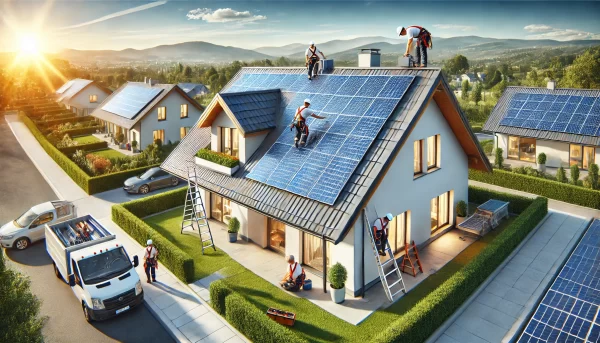
Transitioning to renewable energy is a game-changer for reducing home energy consumption. Solar panel installation allows you to generate your own electricity, lowering your reliance on traditional power sources. This not only reduces your energy bills but also minimizes your carbon footprint. With modern solar technology, even homes in less sunny regions can benefit from renewable energy solutions.
Leverage Energy Efficiency Incentives
Many governments and organizations offer programs to encourage energy-saving upgrades. These energy efficiency incentives may include rebates, grants, or tax credits for improvements like installing solar panels, upgrading insulation, or purchasing energy-efficient appliances. Taking advantage of these incentives can significantly reduce the upfront costs of your energy-saving investments.
Embrace Simple Everyday Habits
Small behavioral changes can have a big impact over time. Here are a few habits to adopt:
- Turn off lights and unplug devices when not in use.
- Use energy-efficient lightbulbs such as LEDs.
- Run dishwashers and washing machines only with full loads.
- Opt for air-drying clothes instead of using a dryer.
Optimize Your Home’s Insulation and Heating
Proper insulation helps maintain your home’s temperature, reducing the need for heating and cooling. Seal gaps around doors and windows, insulate your attic, and invest in energy-efficient windows to improve your home’s thermal efficiency.
Conclusion
Reducing your home’s energy consumption doesn’t have to be overwhelming. By conducting an energy audit, upgrading appliances, and considering renewable energy options like solar panels, you can make impactful changes. Leveraging energy efficiency incentives further enhances affordability and accelerates your progress toward a more sustainable lifestyle. Start making changes today to enjoy the benefits of a more energy-efficient home.
Solar Panel Installation and Maintenance
Solar panels have become a popular choice for homeowners looking to embrace renewable energy and reduce their electricity bills. Beyond cost savings, solar panels contribute to environmental sustainability by harnessing clean, renewable energy from the sun. However, proper installation and maintenance are crucial to ensuring long-term efficiency and functionality.
This guide covers everything you need to know about installing and maintaining solar panels, from planning to optimizing performance.
Conducting an Energy Audit Before Installation
Before investing in solar panels, it’s essential to assess your home’s energy usage. A professional energy audit helps you identify inefficiencies in your current energy setup, such as outdated appliances or poor insulation. These insights allow you to determine the right size and type of solar panel system for your needs.
Additionally, understanding your energy consumption helps you decide whether to supplement solar power with energy-saving upgrades, maximizing the efficiency of your renewable energy system.
Benefits of Solar Panels
Reduced Electricity Bills
By generating your own electricity, you can significantly lower your reliance on traditional power sources, leading to substantial savings on utility bills.
Environmental Impact
Solar energy is a clean, renewable resource that reduces greenhouse gas emissions. Choosing solar panels helps combat climate change while providing a sustainable energy solution for your home.
Increased Property Value
Homes with solar panels often have higher resale values due to their energy-saving potential and modern appeal.
Leveraging Energy Efficiency Incentives
Many regions offer energy efficiency incentives to encourage the adoption of renewable energy systems. These incentives can include tax credits, rebates, or grants, making solar panel installation more affordable. Research local programs to understand how you can offset the initial costs and speed up your return on investment.
Tips for Solar Panel Maintenance
To keep your solar panels functioning at peak efficiency, regular maintenance is essential.
Keep Panels Clean
Dust, debris, and bird droppings can accumulate on your panels, reducing their efficiency. Cleaning them with water and a soft brush every few months ensures optimal sunlight absorption.
Monitor System Performance
Many solar systems come with monitoring tools that allow you to track energy production. Any significant drop in output may indicate a problem that requires professional inspection.
Check for Shade
Ensure that trees or other structures do not cast shadows on your panels, as this can significantly impact their efficiency. Regularly trimming surrounding vegetation helps maintain clear access to sunlight.
Conclusion
Solar panel installation is a smart investment that offers long-term savings and environmental benefits. By conducting an energy audit beforehand, taking advantage of energy efficiency incentives, and adhering to proper maintenance practices, you can maximize the performance and lifespan of your solar energy system. Embrace solar power today to enjoy a cleaner, more sustainable future.
